Articles


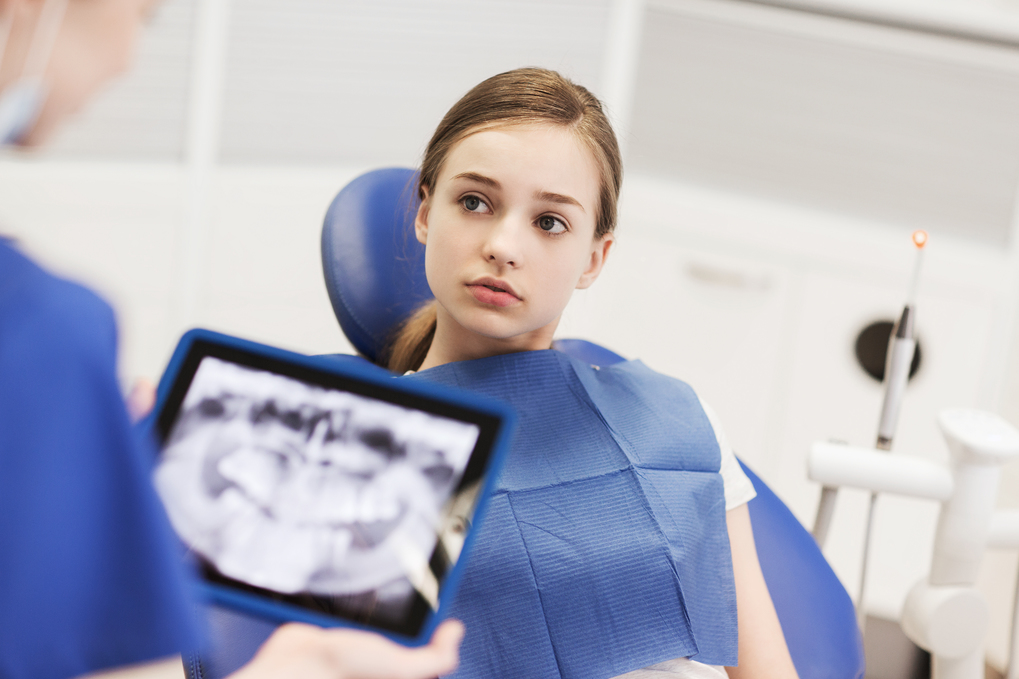
Do I Need A Referral From My Dentist To See An Orthodontist?

April 2nd, 2026

This is a questions people often ask – and in most cases, the answer is no. Here’s some information you’ll want to read.

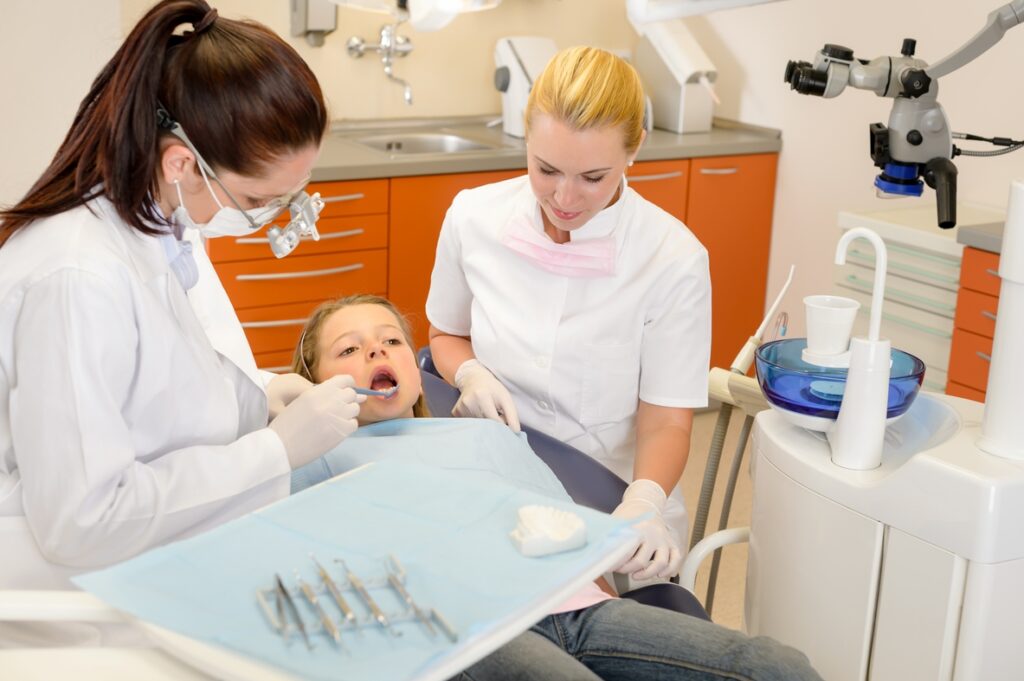
When someone needs braces. If you think you or your child needs braces, you may be surprised to learn that most, and maybe all, dental insurance plans do not require a referral. You can make an appointment with an orthodontist any time to discuss your orthodontic needs and set up a treatment plan. At the same time, if your dentist does provide a referral, you do not need to choose that particular orthodontist. You’re free to see anyone you feel can do the best job for you.

The role of your dentist. That doesn’t mean, however, that your general dentist has no role to play in your care. Your dentist is an important part of the process. Before you visit a specialist, your dentist should make sure your teeth and gums are healthy enough for orthodontic treatment.

Consultation with an orthodontist. With or without a referral, you should bring your child for an orthodontic consultation by age 7, as the American Association of Orthodontists recommends. Examining young children before all the permanent teeth have erupted may enable an orthodontist to correct problems that would be more difficult and costly to address later.

Requesting a second opinion. If your dentist hasn’t recommended an orthodontist or you would like a second opinion, how do you find a certified orthodontist? Here are some suggestions.

  • Ask friends who have had positive, successful experiences with their orthodontist – and check their smiles.
  • Ask other specialists, such as an oral surgeon, who work with many orthodontists, for a recommendation. 
  • Check out a prospective orthodontist’s website and read the information it provides.
  • If you need financing, find an office that provides payment plans for patients who do not have insurance or whose insurance does not cover their full cost. 
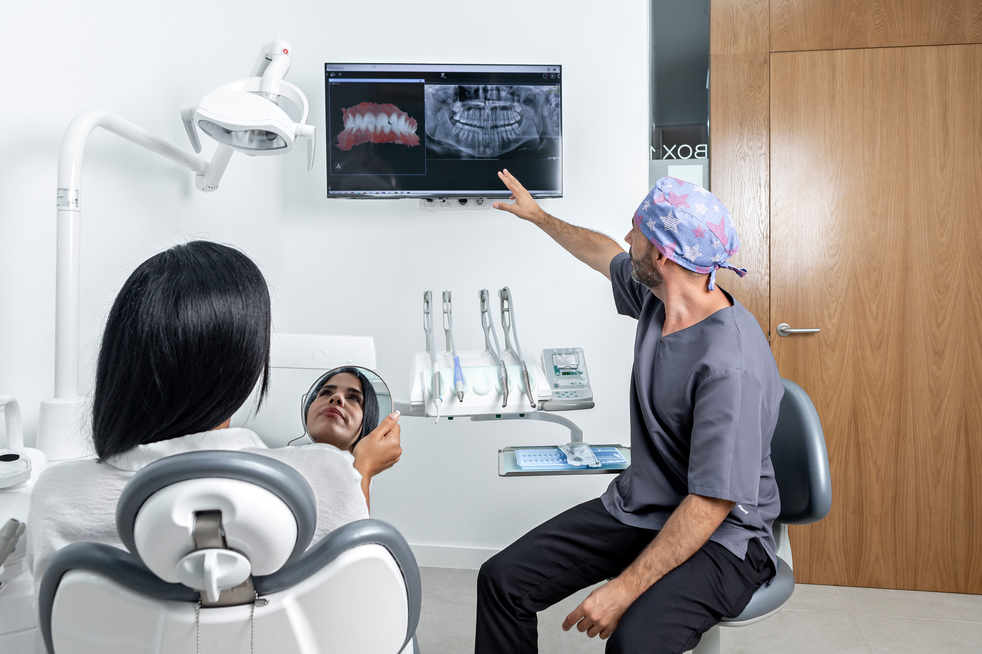
  • Ascertain that the orthodontist uses up-to-date digital technology.
  • Ask about treatment options – the orthodontist should typically be able to offer more than one, such as traditional braces and Invisalign.
  • Visit the office and “listen to your gut.” You will spend a lot of time in this environment with this staff. Make sure you trust the practice and you feel comfortable with them.

Above all, remember that you are in charge. It’s important that you make sure you will get the best treatment for your smile. In the end, the effort you put into finding the right orthodontist will pay off. 

To make an appointment with the Baltimore Orthodontic Group please call one of our convenient locations! Remember, our consultations are free! We look forward to seeing you soon!

How To Know When Your Child Needs Braces

March 3rd, 2026

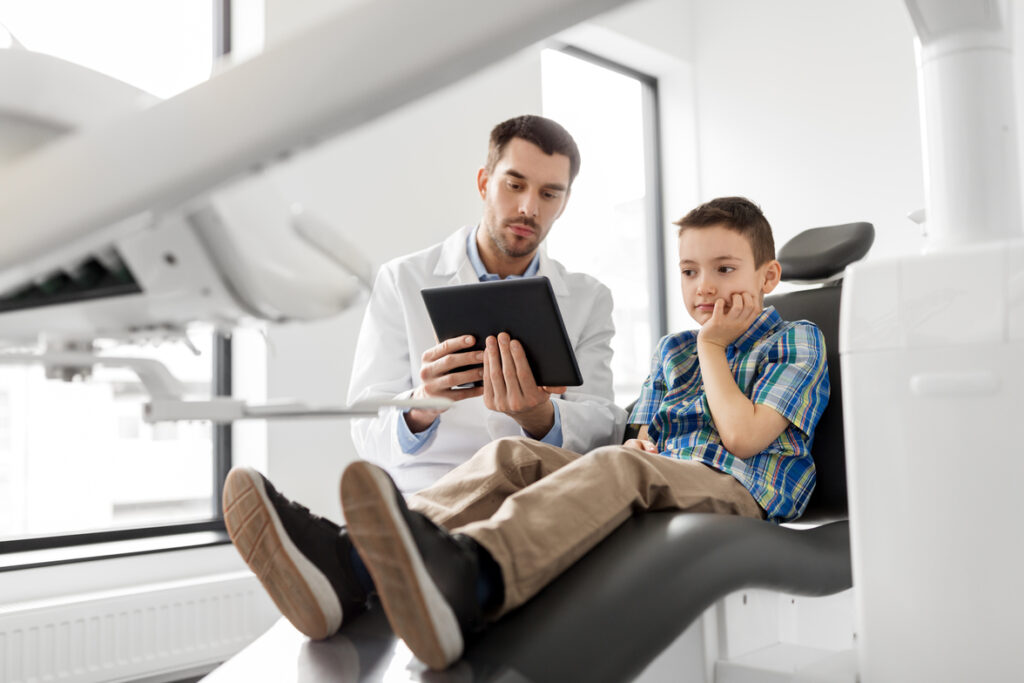
Can a parent, unschooled in dentistry, know when their child needs braces? In some cases of protruding or overlapping teeth a parent may have a good idea that braces will be part of their child’s future. But sometimes it’s not so obvious. Sometimes it’s just strange habits that are the telltale sign of future bracing needs. In truth, your child’s dentist might be the best person to consult. Parents should think of the dentist as the quarterback for your child’s dental needs. If unsure whether braces are necessary, just ask! In most cases, you can also consult with an orthodontist. When a child reaches the age of 7, consulting with an orthodontist is the perfect time to assess future needs. It’s also the time when future treatment can be planned so that your child gets the attention he or she needs in time, and in the manner most receptive to improving the structure of the teeth and the child’s smile!

What are the signs that your child may need braces? Parents may notice crowded, crooked, or protruding teeth, gaps, or difficulties with chewing. These are sure signs that your child should at least visit a dentist or orthodontist to hear more. Other indicators of teeth that may need braces include early/late loss of baby teeth, jaws that click or shift, mouth breathing, or persistent thumb sucking after age 3. Are you worried that your child may be too young? Don’t be. The American Association of Orthodontists recommends an initial evaluation by age 7. At this time, a plan of action can be designed for best results.

Here are some of the signs to look for.

  • Visible Misalignment. In other words, crowded, overlapping, or crooked teeth.
  • Bite Issues. Protruding teeth, underbite, or crossbite (where upper teeth fit inside lower teeth) can cause problems when biting into food.
  • Jaw Problems. If you can hear jaws that click, pop, or shift when your child opens or closes his or her mouth, be sure to visit your dentist or consult with an orthodontist.
  • Do you notice certain habits or functions in your child? Look for things like consistent mouth breathing, thumb sucking, or difficulty chewing/biting. You might also see your child biting his or her cheek.
  • Sometimes we get signals from developmental Issues. For instance, did your child experience early or late loss of baby teeth? Typically, losing baby teeth may start around age 6 and finish by age 12.

When should you see an orthodontist?

Certainly, it’s wise to visit an orthodontist if your dentist suggests that an examination might be valuable. While early check-ups of children, by age 7,  are recommended to monitor growth, actual treatment often begins between the ages 9 and 14. When treatment begins may depend on when permanent teeth come in. But even if permanent teeth have not yet appeared, it pays to visit with an orthodontist.

What does the treatment look like for a child? Typically, when a child begins treatment with an orthodontist, a two-phase approach is often recommended.

Early phase treatment is usually for children between the ages of 7-10. This treatment addresses urgent jaw growth and spacing issues, even as baby teeth are still present.

Phase 2 treatment usually begins with full braces, somewhere between the ages of 10-14. By then most permanent teeth have erupted and the jaw is still growing and malleable.

Talking with your orthodontist. In most cases, an orthodontist will offer a free initial consultation. This is a great way to start treatment as it helps to establish a baseline for a child’s dental development. There are many different types of braces available now. Technology has certainly played a large factor in how an orthodontist may treat your child. Setting up a consultation and speaking freely with your orthodontist can help everyone understand the processes going forward. At Baltimore Orthodontic Group we create healthy, beautiful smiles for people of all ages. At the same time, we get to know you and your child. An important part of our work is building wonderful, lasting friendships with all of our patients!

Planning Treatment Options With Your Orthodontist

January 7th, 2026

Discuss treatment plans with your orthodontist.

It’s not unusual to be a little anxious about getting braces. As we go through life, whenever we do something new, we may have some trepidation about moving forward. The best way to deal with the anxiety about braces is to have a frank discussion with your orthodontist. Before your next visit, write down the questions you may have. How long will the treatment last? What type of braces are recommended? How are braces going to affect your lifestyle? You may also have questions about diet, finances or how to care for your braces. And if you’re the parent of a child getting braces, sit down with them and ask them how they feel about getting braces. What are their concerns?

At Baltimore Orthodontic Group every patient has options. Knowing what those options are and how they will affect your treatment plan are important discussion points that we encourage you to have with your orthodontist.

Here are some tips we offer to help with the discussion.

  • First, discuss the issues involved in why you need braces in the first place! Are your teeth crooked or crowded? Do you have an overbite? What are the options to remedy the problems? Don’t be afraid to have a serious discussion with your orthodontist.
  • You’ll then want to discuss the specifics of a treatment plan and the process itself. Provide feedback to the orthodontist when he or she discusses your treatment plan. You may have other options. You’ll also want to know things like how often your appointments will be scheduled and how long they will take. Find out how closely the orthodontist will work with your dentist. And discuss the level of discomfort you may have.
  • It’s also important to set expectations up front. Will you have dietary restrictions? How will you care for your braces? Is there a problem if you are a very active person and/or involved in sports? No question is dumb or too small to ask. The more you know, the better you’ll understand the treatment plan and the smoother it will proceed.
  • Most patients also want to know how long the treatment will last and whether there’s a chance that it might be extended. Some patients wear a retainer for a period of time after treatment.
  • Finally, talk to your orthodontist about the importance of adhering to the treatment plan. If key events are on the horizon, your orthodontic practice may be able to work around special occasions. It pays to discuss all of this with your provider.

A good relationship between patient and orthodontist is key to a successful treatment plan. Your orthodontist should welcome ALL your questions, and you should receive answers that are clear and honest.

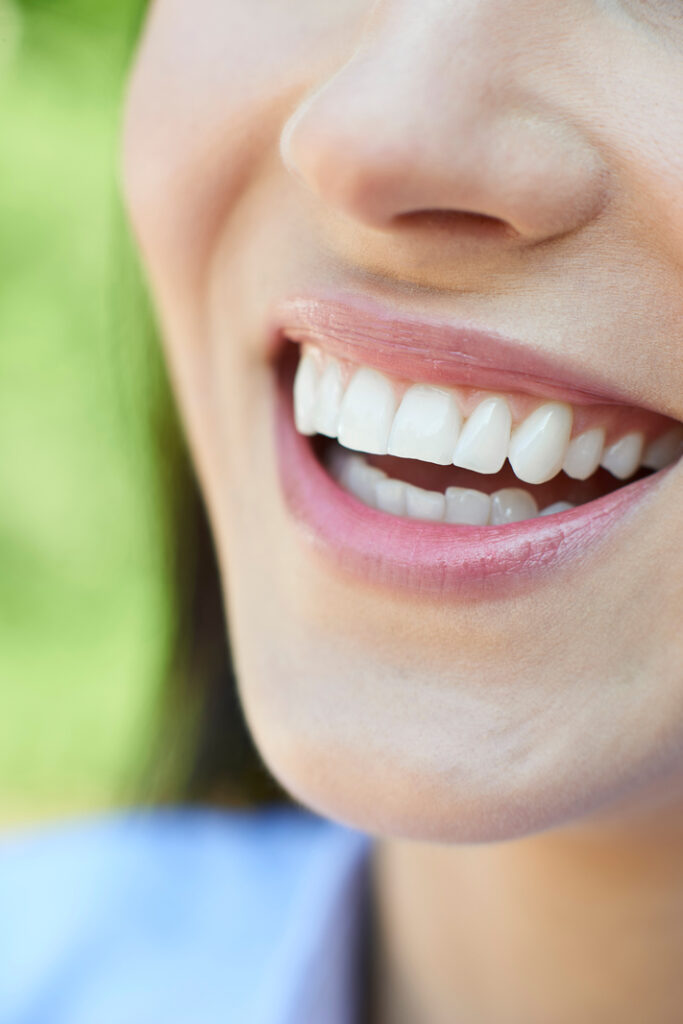
How Technology is Changing Orthodontics

November 4th, 2025

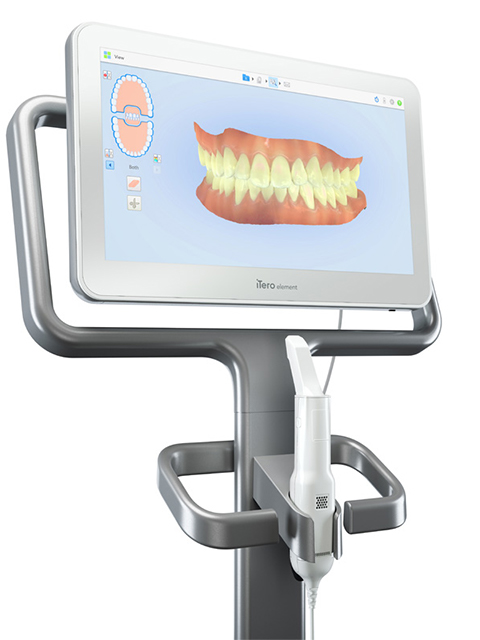
Itero® Imaging System

If you had braces as a child, you might think that give or take a few improvements, the braces your child will get today are basically the same. In truth, dental and orthodontic technology is rapidly advancing. Even those of us in practice today have seen the evolution of orthodontics firsthand. Technology is largely responsible for a better patient experience for anyone – child, adult or senior citizen. Here are some of the latest technologies in the field of orthodontics.

Digital Scanning. Orthodontists use digital scanners to replace the messy traditional molds. This scanning technology, (see Baltimore Orthodontic's use of the Itero® Digital Impression System) provides highly accurate scans of the teeth and jaws. Equipped with the data, a precise treatment plan can be designed for each patient. 

Advanced Appliance Systems. The newest braces, aligners and anchoring devices are all the result of newer technology. The outcome for the patient includes easier and more comfortable braces, more precise planning and potentially shorter treatment times. Take a look at the types of appliances we use at Baltimore Orthodontic Group.

Artificial Intelligence and Orthodontics. You hear so much about AI – how bad it is, how wonderful it is – how it’s use makes all the difference in so many professions. AI does improve care and treatment, but in orthodontics, your human orthodontist makes all the difference! AI is currently being used mostly with regard to the imaging that’s done when you go to the orthodontist. AI reviewed x-rays can predict the results of certain treatments. And by streamlining the review of x-rays, your orthodontist has more time to design your particular treatment plan.

3D Printing. Though you’re not likely to see this in action during your orthodontic visit, 3D technology is used to create custom appliances like clear aligners and retainers.

Eco-Friendly Practices. Sustainability is important to most orthodontic practices. The materials used in orthodontic appliances are more environmentally friendly, including biodegradable aligners, recyclable brackets and even eco-friendly packaging. Orthodontic practices are also greener as we build on our digital record keeping to reduce paper use.

Interdisciplinary Collaboration. While not strictly related to technological advances, orthodontic care has become more integrated with other areas of dental and medical care. The idea is to look at all aspects of the patient’s health so that outcomes are improved and the treatment plan is customized to the patient.

What Will the Future Bring? New technologies are constantly emerging in our field. You can expect even greater advances in all of the areas we’ve covered above, including more flexibility and more customization. Appliances will continue to improve and more uses for AI will emerge. As imaging technology improves, digital measurements will become even more reliable. All of this may lead to accelerated treatment plans. But don’t wait for these advances! Instead, schedule a consultation with us now and enjoy a happier, healthier smile for years to come!

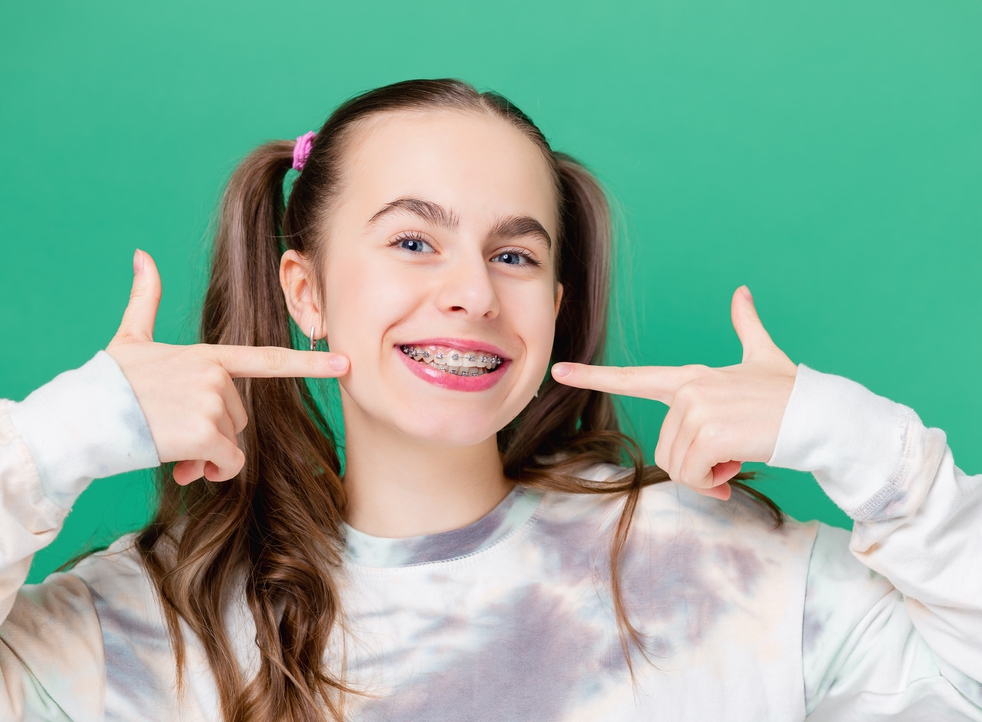
How Our Orthodontists Work With You To Choose The Best Treatment

September 4th, 2025

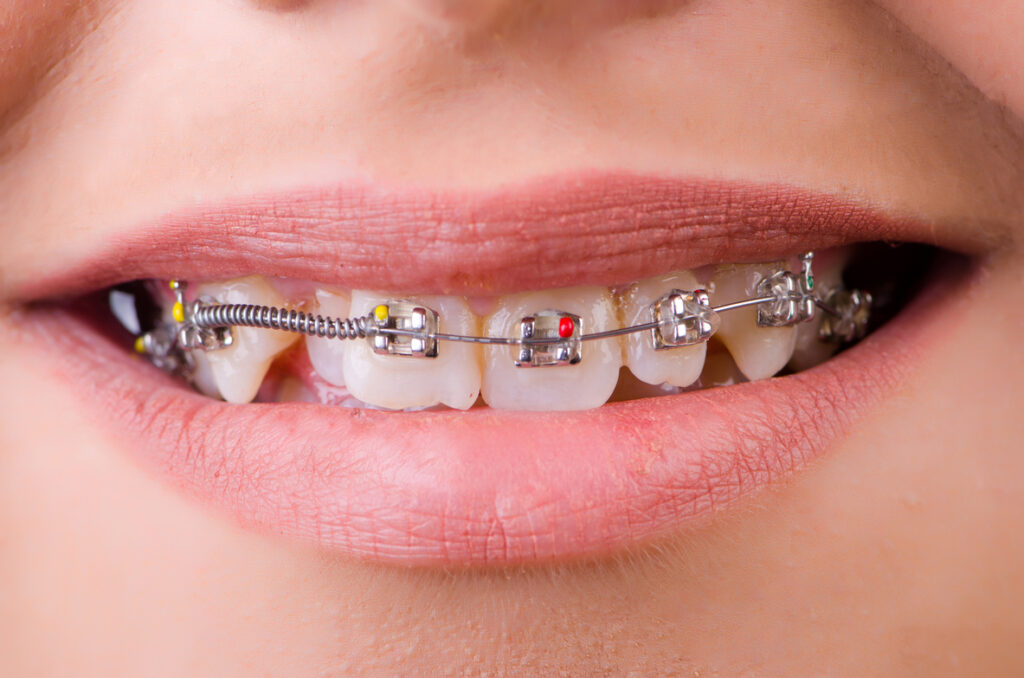
Braces come in many different types and colors!

Every orthodontist and every patient are different. Deciding which type of braces works best for you begins with an appointment and a frank person-to-person discussion. Each person we see has concerns. Sometimes those concerns are a result of the career that person has chosen. Sometimes our patient is young, active and involved in multiple sports. At other times, the issue is the length of the treatment. If college is around the corner, you want a treatment that is fast.

At Baltimore Orthodontic Group we work with our patients to find a treatment option that best fits the patients’ needs, including: Invisalign, clear braces and metal braces. We listen carefully. Your treatment plan should be a coordinated effort between your orthodontist and you.

The condition of your bite may also determine the type of braces your orthodontist may recommend. Depending on the severity of the condition, metal braces may be the best option. But as we mentioned above, we want our patients to have a positive attitude about the treatment we prescribe. If there are major concerns with your treatment, talk with your orthodontist.

Ceramic braces may be an option for someone with a more complex case who is also very concerned about his/her appearance. Ceramic braces essentially work like metal braces, but they are colored to more closely match the color of your teeth.

Invisalign or clear aligners certainly have been in the news quite a bit lately. They work beautifully and are more difficult to detect as you wear them. As Dr. Scott says, "if you wear them, the magic will happen!" Again, please discuss your concerns with the orthodontist.

The doctors at Baltimore Orthodontic Group have a lot of experience with different types of problems. Please take a look at the Case Studies on our blog. You’ll find people of all ages with different problems. Read their stories and see how we’ve been able to improve their lives. Most importantly, communicate with your orthodontist. Tell him or her your desired outcomes, your budget, and your particular lifestyle. Open communication will determine the best course of treatment for you.

Surviving Braces

May 29th, 2025

If getting braces is on your immediate calendar, you may be worried about how you’re going to survive the months ahead. The first word of advice we can offer is “Don’t Worry!” You may want to spend some time talking with your orthodontist about your needs and concerns. Often, they can put your mind at ease.

How long you will be in braces depends on the problem that needs correcting and the type of braces you choose. Discuss the options available to you with your orthodontist. In most cases, your orthodontist may be able to recommend a treatment plan for you that can be completed in a realistic timeline. Brace technology has improved greatly throughout the years, resulting in braces that are easier to wear!

So now, let’s talk about how braces will affect your everyday life.

Diet and nutrition. Your orthodontist will recommend specific food to avoid. These foods often include candy and gum. Raw vegetables can sometimes be a problem. And you might want to avoid popcorn. You really don’t want to break your braces as this may extend the time you will end up wearing them. What we’ve found is that if any of your favorite foods are on this list, patients usually find a great substitute!

Treatment and care. The best advice we can give is to see your orthodontist regularly. Keeping you on schedule is key to timely treatment. You’ll also want to see your dentist about every 6 months for cleaning. If you play sports, ask your orthodontist about the need for a mouthguard. Brush your teeth twice a day after eating and be sure to floss. Keeping your teeth healthy will help improve your orthodontic care.

The First Week. It doesn’t take long to get used to braces. The first week may be the hardest, but there are lots of ways you can make those first few days better. Here are some suggestions.

  1. You can take an over the counter pain reliever if the braces are uncomfortable for a day or two.
  2. We suggest you stick with softer foods and cold drinks for the first week. They’re easier on the teeth and the cold drink can have a somewhat numbing effect.
  3. Your orthodontist will give you some brace wax to use if you have metal braces. You can add some of the wax to areas where the hardware may be irritating the inside of your mouth. This irritation will go away in time.
  4. Brush your teeth regularly. Not only will that prevent cavities but it can also feel good to brush gently with a soft brush.
  5. If you participate in sports, wear a mouthguard to protect your braces. This will prevent you from having to schedule another appointment for repairs.
  6. Talk to your orthodontist about ways to fix broken wires. There are easy ways to make you feel comfortable.  

Keep thinking about the results! You’ll be amazed at how great your teeth look once your braces are off. And the funny thing is, that time comes around fast. If you have more questions, take a look at our Life With Braces page. And there’s a great page on our site about the questions most people ask as they are about to get braces. Take a look. Be sure to talk to your orthodontist if you have other concerns.

Am I Too Old For Braces?

April 2nd, 2025

It’s a question we hear often. We really believe you are never too old for braces. There are lots of reasons adults consider adding braces to their overall health plan. And all of those reasons are valid!  If you’ve been mulling over the idea of seeing an orthodontist about your teeth, we strongly encourage taking the time to visit with us. We offer a free consultation – so you can find out exactly what would be involved.

Here are some of the reasons adults consider getting braces.

Technology has never been more advantageous. If you are a candidate for Invisalign, you can have straight teeth using these comfortable aligners that no one can see!

It’s getting really hard to clean your teeth properly. Teeth that are really crowded or crooked are sometimes hard to clean properly, making tooth decay or gum disease more likely. There’s a connection between a healthy mouth and overall health – straight teeth may avoid problems later.

You just want to look better. We certainly understand when people want to put their best foot forward. Straightening your teeth may also help you feel more comfortable in social situations. And a beautiful smile can give you more confidence as you climb the corporate ladder!

You’re starting to avoid some foods. Hey, we get it! You’re a foodie and avoiding certain foods was not on your plan. But more importantly, mouths left untreated can sometimes get worse and create long-term health issues.  

You’ve developed a habit of hiding your smile. It started gradually, and now you find yourself hiding your smile more often. Maybe you’re in the public eye more often with your job, or perhaps it’s because you notice how many people have straight teeth. Wanting to be part of that crowd and being able to display a healthy, beautiful smile is a good thing!

If you’ve even “thought” about braces, you should come into our office for a free consultation. You’ll walk away with more knowledge and a workable plan.

And the Benefits of Straight Teeth? There’s a lot of upside to a beautiful smile! Consider these perks.

  • Display a beautiful smile.
  • Improve your odds of keeping your teeth long term.
  • Return to a healthier mouth and improve your overall health.
  • Eat healthily without avoiding your favorite foods!

We hope to see you shortly!

Question: Who Should Consider Braces?

January 24th, 2025

We hope this articles answers your question! The easiest answer here is anyone with crooked, crowded teeth, teeth that are misaligned or have gaps, or those people who have bite issues. But when a patient asks this question, in most cases they are referring to the age of the prospective patient. Is it wise to start young? What if my career is just beginning to take off? And how old is too old? Instead of saying “everyone” should at least “consider” braces if there’s a problem, we’ve provided some answers to questions we are asked most often. And at the same time, we included tips below on how braces affect our health at certain ages. Please review and give us a call if you have questions. Actually, consider setting up a free consultation in person. Then we can give you information tailored to your particular situation!

Do you think you need braces? There’s usually a reason someone asks if they need braces. Maybe they end up biting their tongue often, or it’s difficult to floss between teeth. Sometimes teeth overlap or are visibly crooked. Teeth can also be too crowded. Whatever you are worried about, it’s best to discuss it with your dentist or orthodontist.

Children and Braces. There’s not a hard and fast rule as to when children should have braces, but the American Association of Orthodontics recommends that most children should visit an orthodontist by age 7. Parents often notice things that may indicate the need for braces. These signs include teeth that don’t come together, teeth that are crowded or crooked, children who breathe through their mouth, or there’s a clicking sound when a child opens and closes his/her mouth. 

Children often start treatment with an orthodontist somewhere between the ages of 9 and 14. Treating a child is advantageous in that the problem can be corrected as the child grows. In most cases, treating a child is easier. As we get older, the remedy can be more complex. Early treatment by an orthodontist can also help avoid problems later. As your child is treated, the orthodontist can correct and guide the growth of the jawline. We can help regulate the width of the upper and lower arches and create more space for crowded teeth. Early orthodontic treatment may help avoid tooth extractions later. And yes, sometimes early orthodontic treatment can help with minor speech problems.

Teenagers and Braces. The teenage years can be scary! The idea of adding braces may not be very appealing! Then again, for some teens, treatment now can be effective and require less time than it might as they get older. Timelines definitely vary with each case. One advantage of getting braces in our current environment is that teens have more options. Sometimes Invisalign is the perfect option for teens. Other times, metal braces will be the quicker option. The main concern during the teen years is to design a treatment that will make it easy to look good and feel good. A more confident smile definitely helps most teenagers feel good about themselves.

Braces And Early Adulthood. Getting braces while in your 20s is becoming more common. Young adults generally have more options. Orthodontists now have much more experience in customizing the treatment for a young adult.  Straight teeth also build confidence and give a young adult a better quality of life. Sometimes there are milestones coming up in a young adult’s life. Important events such as an upcoming graduation, wedding, or start of a new job, are good reasons to take the plunge and visit your orthodontist for advice. And at this stage of life, a person can understand the long-term health benefits of straighter teeth.

As We Get Older.  Whatever habits we take on as we go through life, our teeth have had to adjust. The foods we eat, the medications we take, the activities of our daily life – all of these factors can result in problems with our teeth. When our teeth are aligned properly, we are able to chew better. It may take a little longer to straighten our teeth as we get older, but the benefits far outweigh any inconvenience. We may be older but we still want to put our best foot forward! And many of the treatments available today are designed to minimize the appearance of metal braces.

Getting Braces Is Personal. Whether young or old, getting braces can lead to a healthier, more fulfilling life. When you consider orthodontic treatment, taking the proper action now pays big dividends when it comes to improving overall health. If you’re wondering if now is YOUR time for braces, give us a call for a free consultation.

Let'sGet Started

The first step towards a beautiful and healthy smile is to schedule an appointment with Baltimore Orthodontic Group with a dedicated team that treats patients of all ages. We work with our patients to find a treatment option that best fits the patients’ needs, including: Invisalign, clear braces and metal braces. We have five convenient orthodontic offices in the Baltimore area. You can schedule your appointment by giving us a call at your preferred location, Ellicott City, Catonsville, Eldersburg, Eastpoint or Lutherville. Contact information is listed below. You can also send a request by email to us by clicking here.
We look forward to meeting you in our office!

Request Appointment