
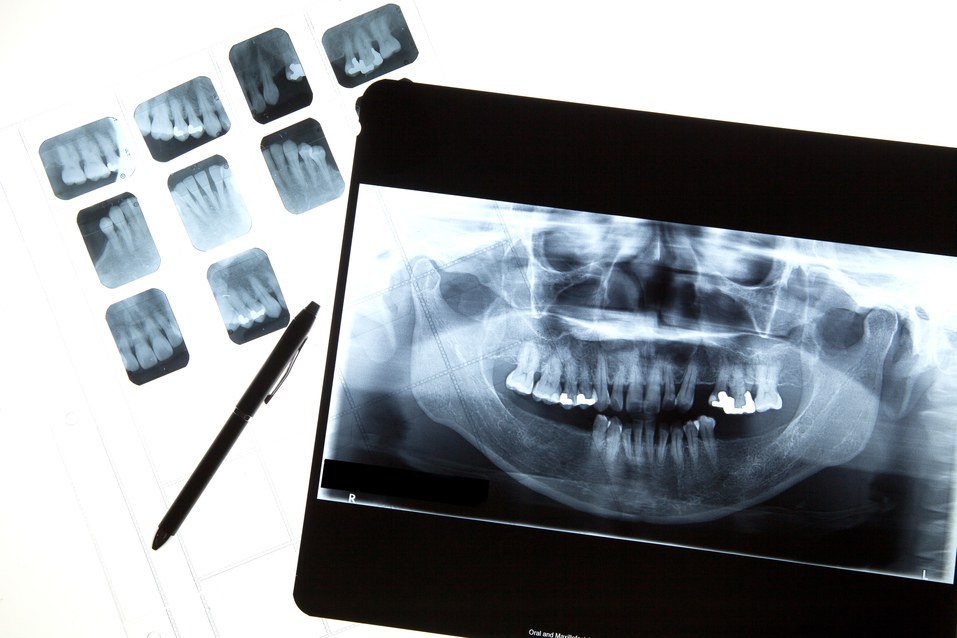
It’s possible that jaw surgery could be part of your orthodontic journey. Braces can move your teeth and make them straight, but they can’t move your jaw. Jaw surgery is needed if your upper and lower jaws do not line up. The decision on jaw surgery is a difficult one. It should be a decision you’ve discussed with your dentist, orthodontist and healthcare provider. Getting feedback from everyone will make you feel more comfortable with the decision. The more you learn, the more trust you will have in your providers.
Who needs jaw surgery? Also called orthognathic surgery, jaw surgery corrects crooked or uneven jawbones. Patients can exhibit conditions that point to a problem with the jaw, such as:
- Problems with biting or chewing.
- Facial injuries as a result of an accident.
- A severe overbite or underbite.
- Pain or clicking in the jaw joint.
- Swallowing or speech problems.
Are there symptoms I should look for? Patients who are candidates for jaw surgery may have a problem breathing because of jaw issues. You may also experience pain or pressure in your jaw or around your ears. And quite often, jaw problems lead to snoring.
Is jaw surgery necessary? The answer to this question should be based on your discussions with your dentist, orthodontist and healthcare provider – which could include a maxillofacial surgeon. Your consultation with your providers should include information on what procedures are appropriate for you. Find out how the surgery will benefit you and talk about a realistic timeline for the treatment and recovery.
When is jaw surgery performed? In most cases, your providers will recommend jaw surgery after growth stops – so somewhere between the ages of 16-21. Of course, other factors may influence treatment at other ages. There’s a great case study on our website about Jacob, who needed jaw surgery to align adult teeth. Take a minute to read about his journey.
How long will it take for my treatment plan to be complete? That’s hard to say, since everyone heals differently. And the reason for the surgery can be varied. You should discuss the timeline with everyone on your team so you have a realistic look at what your treatment will include.
What are the benefits of jaw surgery? The best results follow treatment plans where dentistry, orthodontics and surgery are combined. Your healthcare team works jointly to provide healthy mouth, teeth and gums that improve bite and function. When the jaws and teeth are aligned, patients often experience an enhancement in their appearance and speech. In the end, your teeth and jaws are more balanced, functional and healthy – and have a dramatic and positive effect on your life.
Note: if you think jaw surgery is in your future, or your loved one’s future, please give us a call for a no-charge consultation. The earlier treatment is sought, the easier it is to address issues upfront. Early diagnosis can also break up your treatment plan into several phases allowing for short term wins that help build positive reinforcement.
 Website Powered by Sesame 24-7™